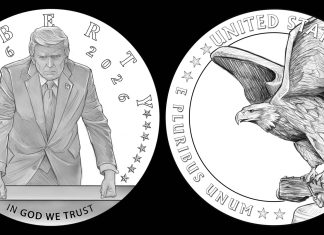
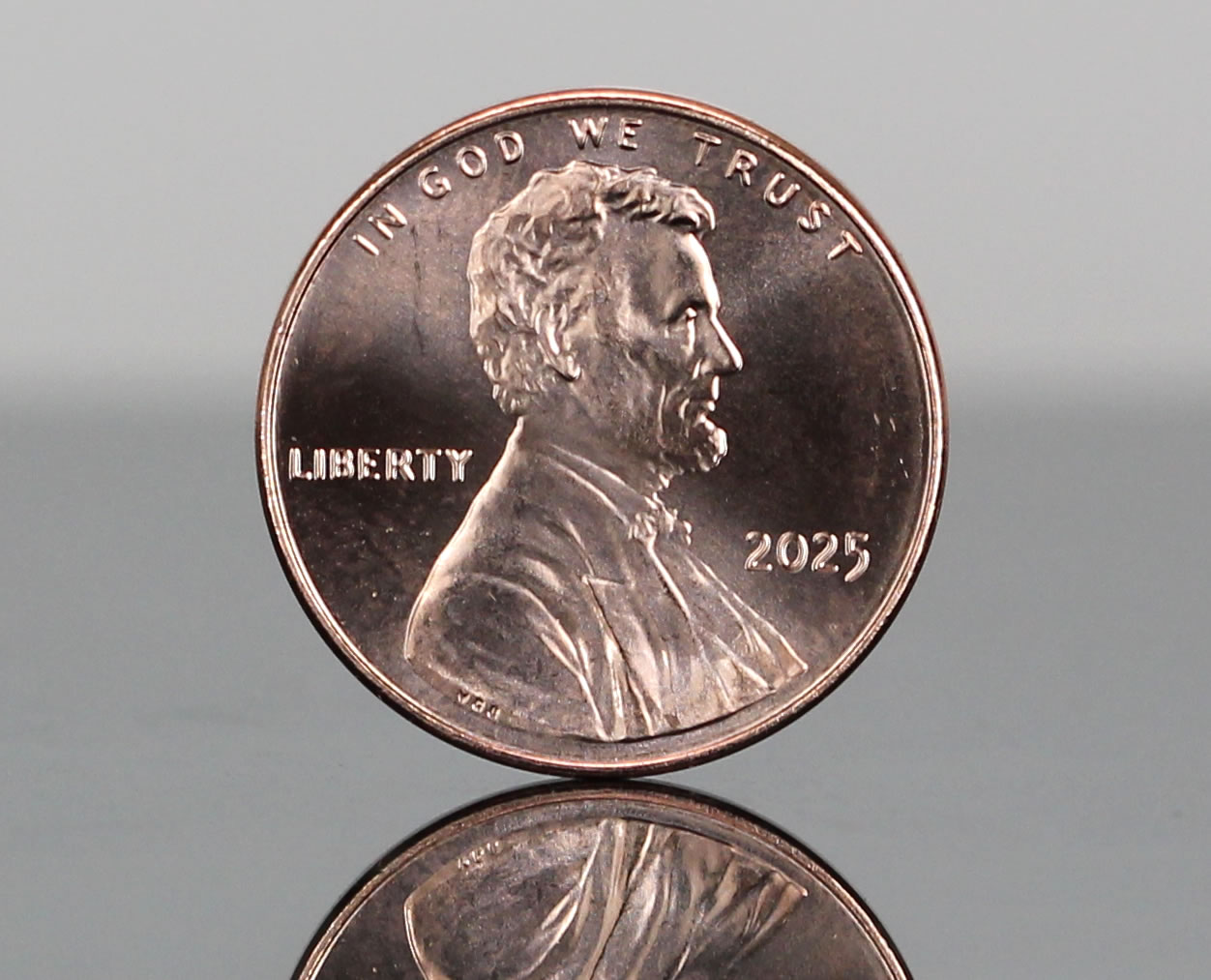
The United States Mint hosted a ceremonial striking today at its Philadelphia facility to mark the final production of the circulating one-cent coin, bringing an official close to more than two centuries of penny manufacturing.
U.S. Treasurer Brandon Beach activated the coining press during the historic event, joined by U.S. Mint employees and invited guests. Acting Mint Director Kristie McNally described the occasion as both an ending and a tribute to one of America’s most familiar coins.
"Today the Mint celebrates 232 years of penny manufacturing," McNally said. "While general production concludes today, the penny’s legacy lives on. As its usage in commerce continues to evolve, its significance in America’s story will endure."
End of a 232-Year Tradition
Authorized under the Coinage Act of 1792, the one-cent coin has been produced continuously since the Mint’s founding, evolving through multiple designs and compositions. Rising material and manufacturing costs, however, have long made the penny more expensive to produce than its face value.
According to Mint data, the cost to strike a single penny rose from under one cent (0.97) in 2005 to 3.69 cents in 2024. The Treasury Department determined that continuing circulating production was no longer practical, citing both rising costs and declining commercial demand for low-value coinage. The decision follows a Feb. 9 directive from President Trump to end penny production, describing it as a step toward reducing "wasteful" government spending.
In calendar year 2024, the U.S. Mint produced approximately 3.23 billion pennies, representing about 57.5% of the year’s total coin output of 5.61 billion. Through October this year, penny production reached 1.3 billion coins out of about 4.53 billion coins, with none reported struck for circulation in August, September, or October.
Although production for circulation has ended, the penny will remain legal tender. The Mint estimates that roughly 300 billion remain in public hands and financial channels, noting that the total far exceeds what is needed for commerce. Many retailers are already rounding cash transactions to the nearest nickel, a system already adopted by countries such as Canada, which phased out its penny in 2012.
The Mint stated that it will continue to produce numismatic versions of the penny in limited quantities for historical and collector purposes.