New legislation has been introduced in the House and Senate that seeks to give the United States Mint the authority to change the metallic composition of circulating coins.
The bills, H.R. 2817 and S.1228, have identical language and each is cited as the "Coin Metal Modification Authorization and Cost Savings Act of 2023." The objective of these bills is to modify the materials used in certain coins produced by the U.S. Mint, with the aim of reducing production costs while preserving their integrity.
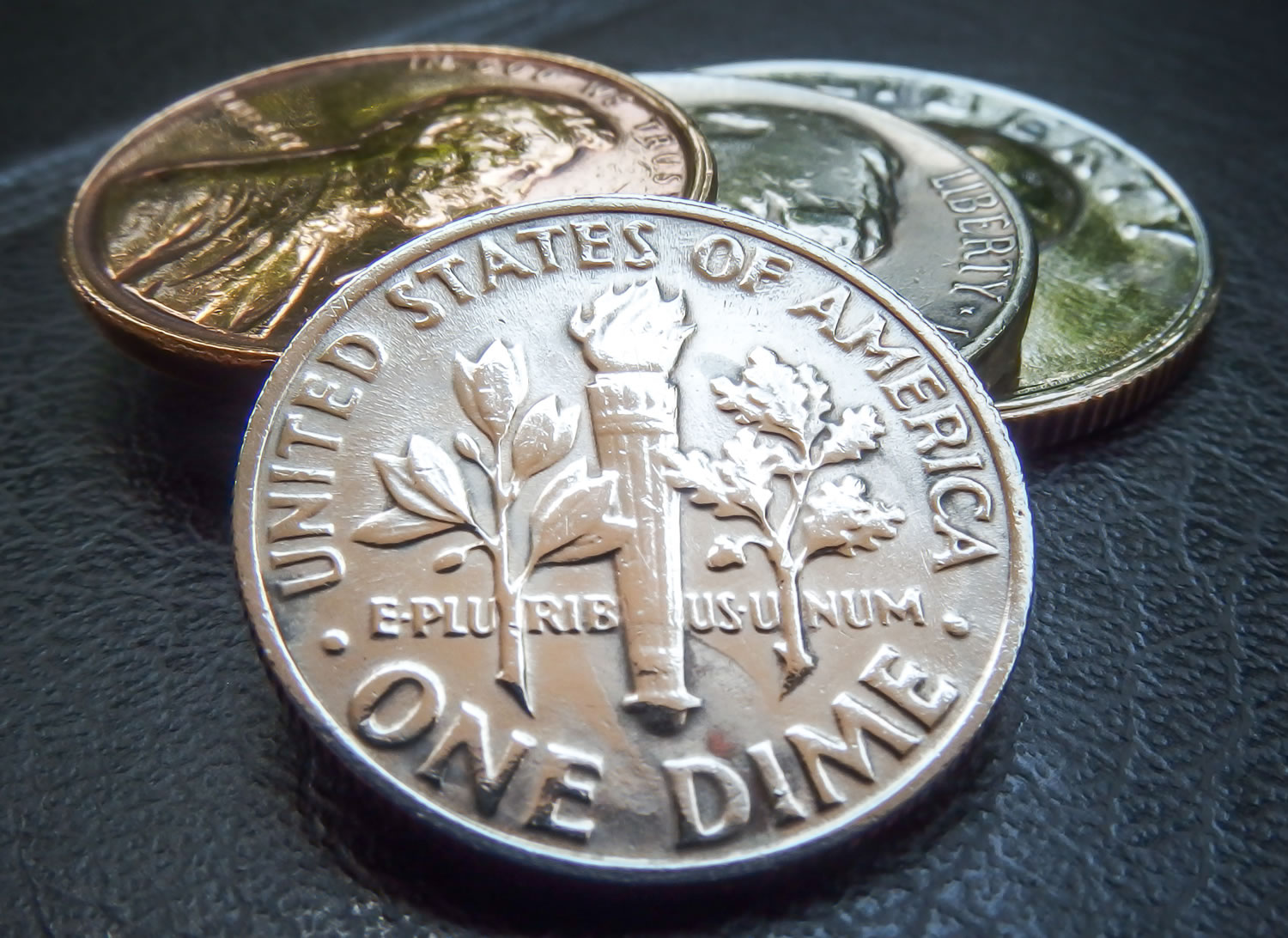
According to the U.S. Mint’s latest annual report, the cost to produce and distribute coins for circulation is 2.72 cents for 1-cent coins, 10.41 cents for nickels, 5.03 cents for dimes, and 11.11 cents for quarters.
H.R. 2817 and S.1228 specify any composition changes must:
- Minimize the costs for taxpayers in the United States;
- Be seamless, meaning the coins have the same diameter and weight as before and that they are designed to work interchangeably with most coin acceptors using electromagnetic signature technology; and
- Minimize any negative impact on the public and stakeholders.
In accordance with the Coin Modernization, Oversight, and Continuity Act of 2010 (Public Law 111-302), the U.S. Mint has been conducting research on alternative coin compositions for several years and has submitted six biennial reports to Congress on the matter. The most recent report was submitted in April 2023, and stated:
"Since FY 2020, costs of supplies and materials for the production of the Nation’s coins have increased significantly. The average price of copper, nickel, and zinc, which are the primary metals in each coin, have increased each year, resulting in an overall increase in the cost of metal for each denomination. The average daily price for copper per metric tonne increased 57.5% from FY 2020 to FY2022, while nickel and zinc have increased 81.2% and 61.7%, respectively."
Lincoln cents consist of a composition of 2.5% copper with the remaining balance made up of zinc. Five-cent coins are minted with 25% nickel and the rest composed of copper. Similarly, dimes, quarters, and half-dollars each contain 8.33% nickel and the rest is copper. In the report, Mint officials request the authority to use alternative metals.
In the report, Mint officials request the authority to use alternative metals.
"The Mint recommends granting authority to the Department of the Treasury, specifically the Mint, to act on R&D for seamless solutions that reduce costs and have minimal adverse impact as possible on the public and stakeholders.
Alternatively, the Mint recommends granting them the authority to use 80/20 cupronickel for the 5-cent (nickel), 10-cent (dime), 25-cent (quarter dollar), and 50-cent (half-dollar) coins.
"Based on 2022 production levels, this could increase revenue by approximately $12 million per year, and it is the one alternative metal that has completed its full research," the biennial report said.
In order for a bill to become law, it must be approved by both the House and Senate, and then signed by the President. Similar legislation to H.R. 2817 and S.1228 was introduced in both the 116th and 117th Congresses but failed to make progress.