An extraordinary collection of the rarest and most important varieties in the entire early half eagle series will take flight in Heritage’s U.S. Coins Signature Auction – FUN Special Sessions: Ellsworth & Jacobson Jan. 8.
The Harvey B. Jacobson, Jr. Collection of Early Half Eagles stands as a 68-lot tribute to Jacobson’s desire to acquire the rarest of the rare, a mission that ended with his acquisition of every early gold variety that eluded Harry W. Bass, Jr., with the exception of two unique 1797 varieties that are housed in the Smithsonian Institution.
"Like many of the savviest numismatists, Harvey Jacobson pursued the major rarities in this series first, and that immediate commitment to elite coins stood as the foundation for what became a magnificent collection of the rarest and most important varieties in the early half eagle series," says Todd Imhof, Executive Vice President at Heritage Auctions. "Any list of the most notable early half eagles would include most of the lots that are available in this collection. The collection he assembled is inarguably one of the finest in numismatic history and will be referenced for generations in the same context as the Harry Bass Collection."
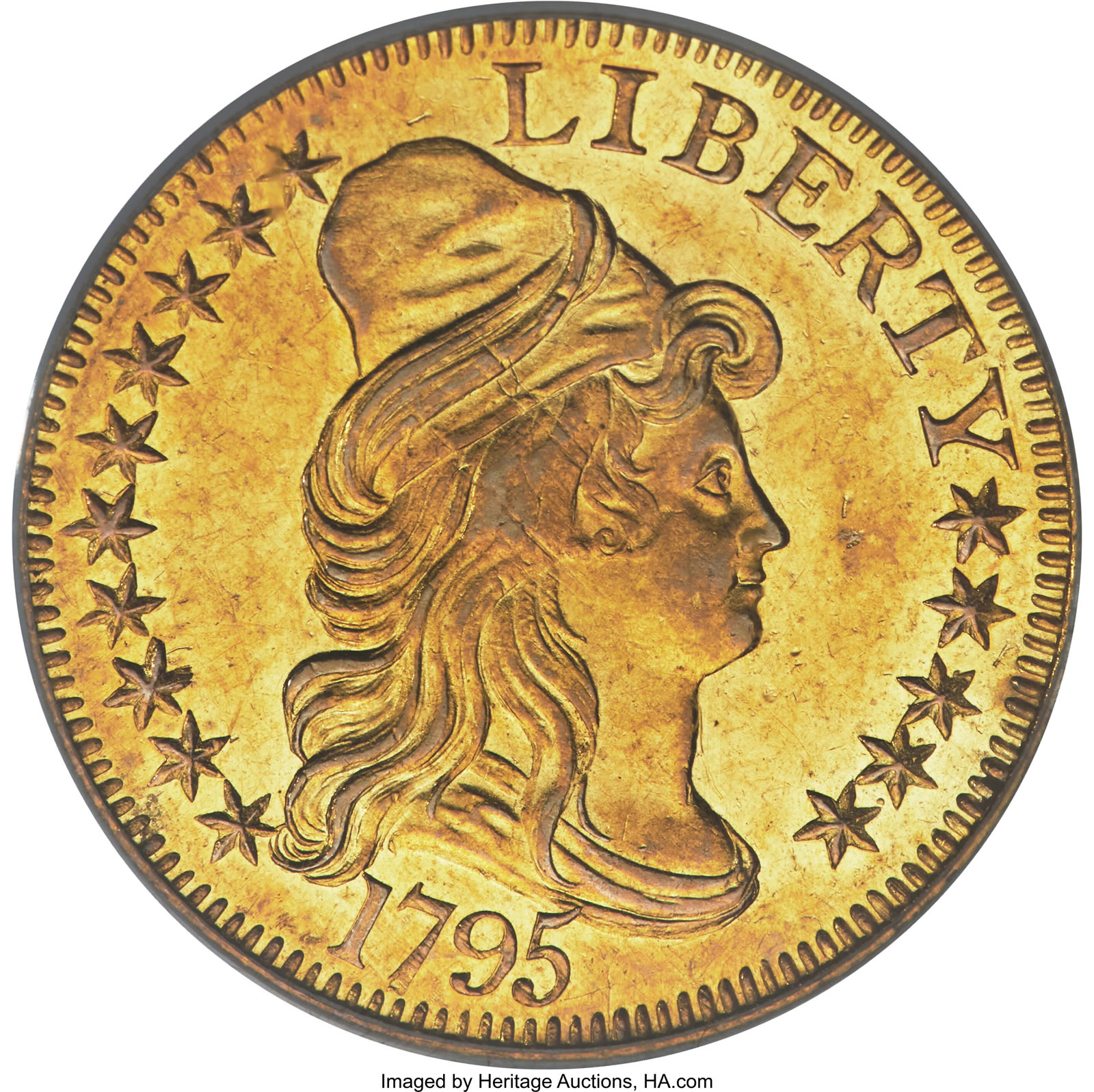
Among the highlights in the collection is a 1795 BD-13 Heraldic Eagle Five, MS62 PCGS HBJ-207. This unique half eagle was featured alongside several other important varieties in the article "Elusive Half Eagle Varieties, A Collection of Early Examples," which was penned by Jacobson and Heritage Senior Numismatist Mark R. Borckardt for the August 2019 issue of The Numismatist. Doug Winter called it "one of the very few early gold varieties that is unique and the fact that such early researchers and collectors as Edgar Adams, Waldo Newcomer, Walter Breen, and Harry Bass never found one is a true testament to the numismatic significance of the Jacobson Collection."
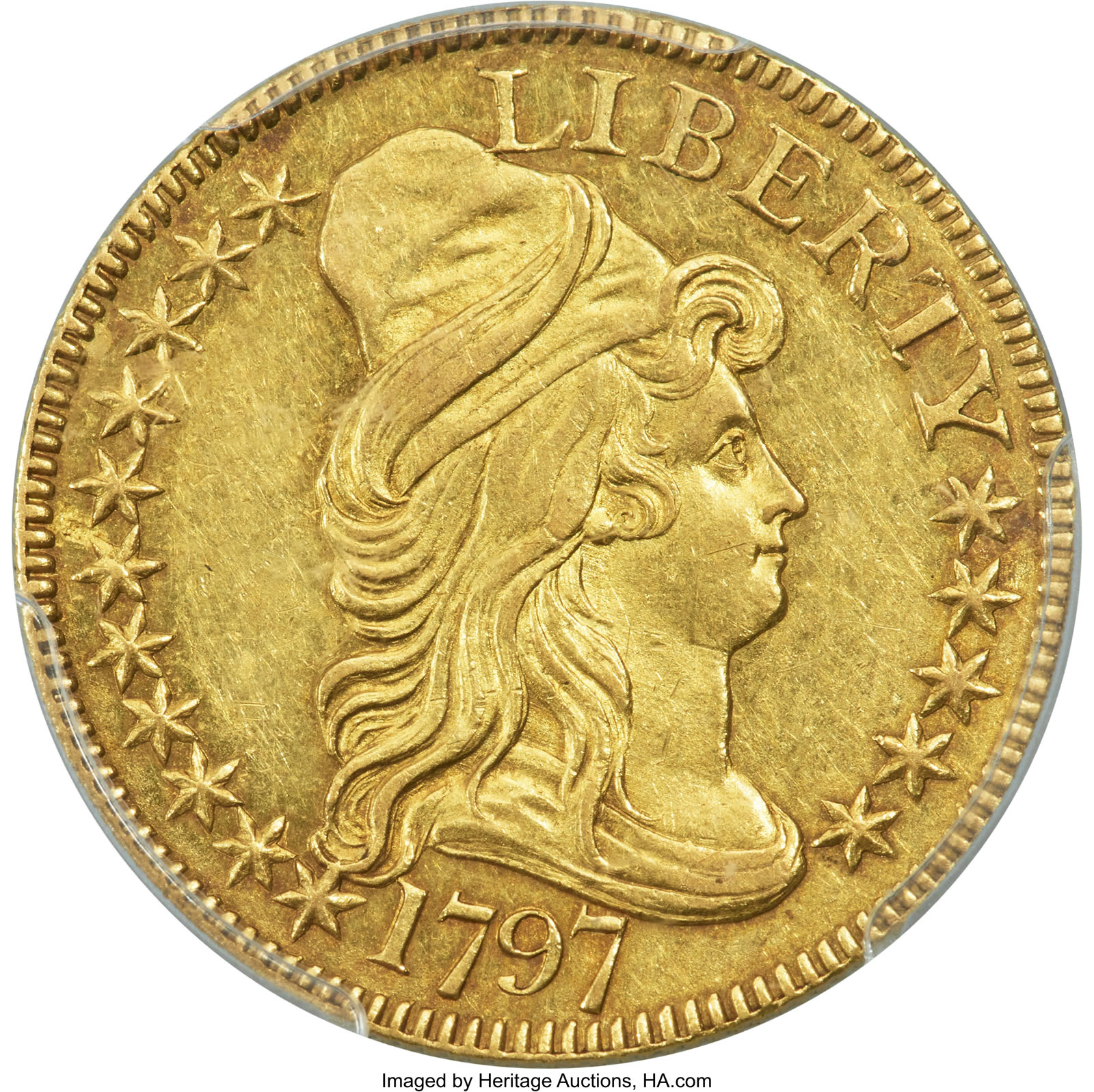
Also in play is a 1797 BD-4 Half Eagle, AU58+ PCGS. HBJ-209 that is pictured on PCGS CoinFacts and is the plate coin in Early U.S. Gold Coin Varieties, A Study of Die States 1795-1834 by John Dannreuther. This coin first surfaced in the George D. Woodside Collection, and has appeared in several important pattern collections since. The winning bidder will become just the sixth owner of the coin since the 1860s.
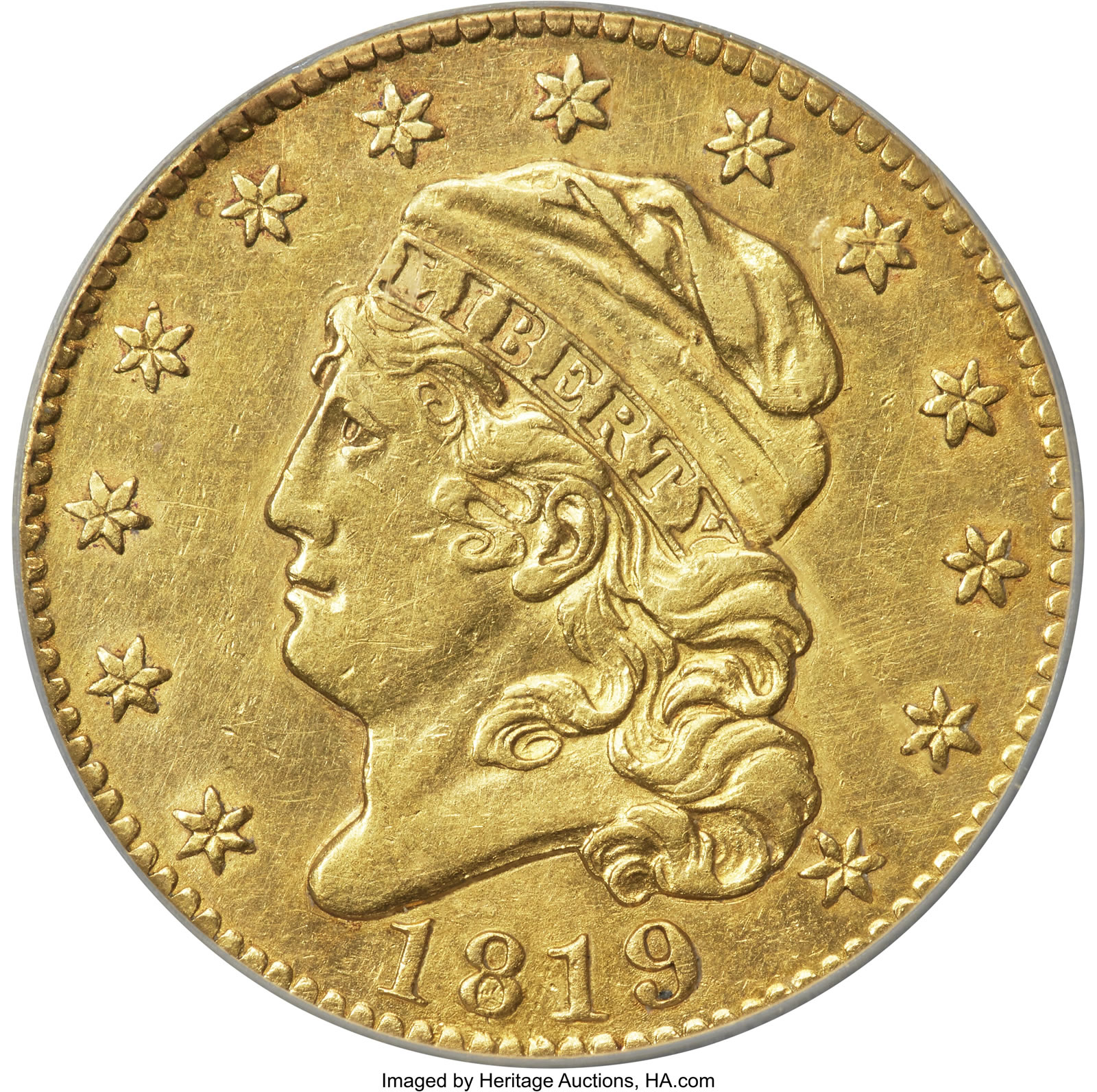
An 1819 "BD-3" Half Eagle, AU Details HBJ-252 is a magnificent recent discovery last offered at Heritage in 2014, not recorded in the Bass-Dannreuther reference. Heritage’s Borckardt is credited with the March 2014 identification of the variety, although Edgar Adams cited a third variety in his notes, suggesting he might have discovered it. But his mid-1930s articles on the half eagles stopped with 1800 varieties and access to his notebooks is not readily available.
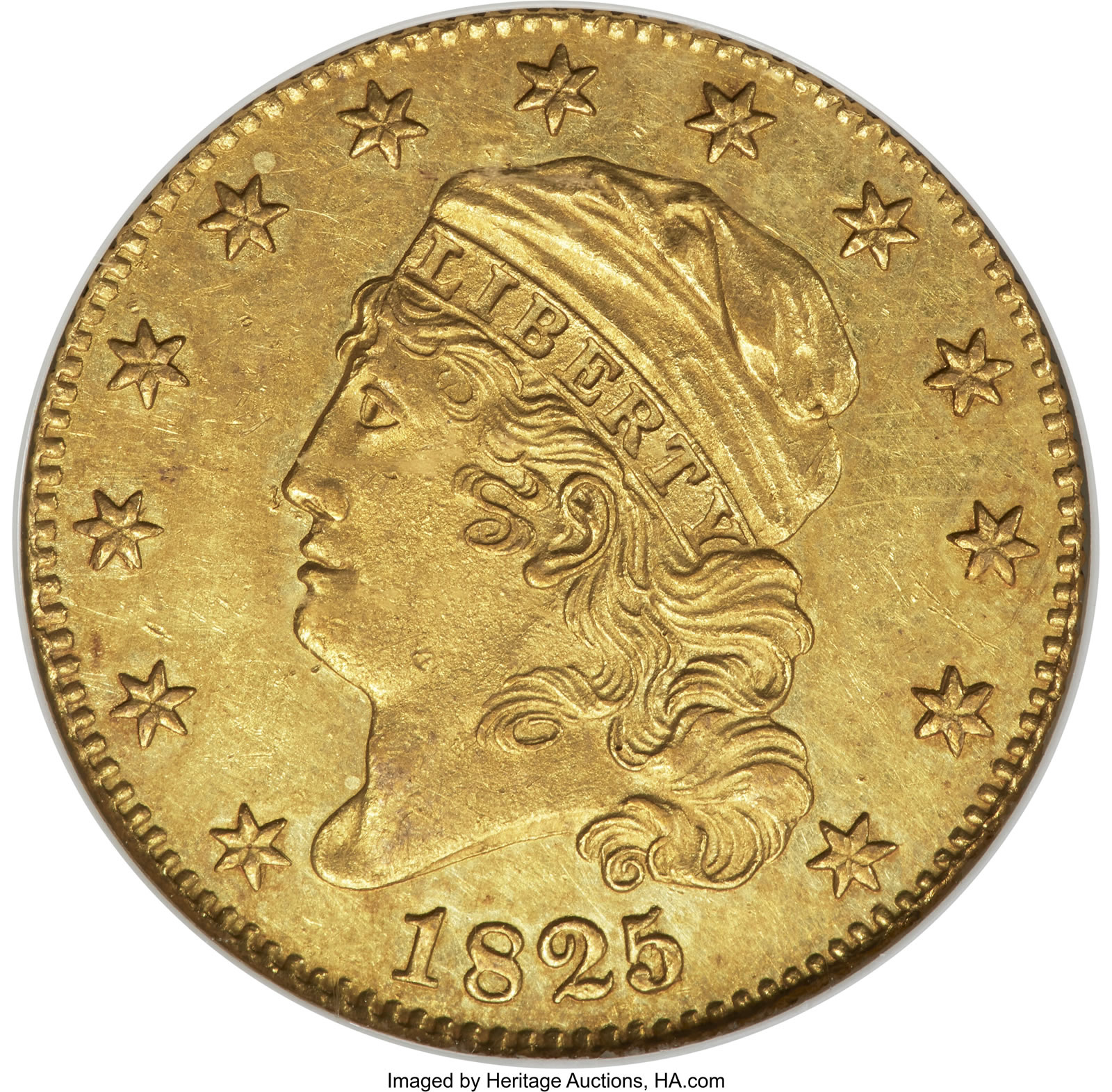
Also offered is an 1825/4/1 Half Eagle, BD-3, MS61 NGC. HBJ-259 that Winter called a "probably unique variety" that "is among Harvey’s favorite coins in the set." This discovery coin for the variety also is the only example known to the experts at Heritage — the world’s leading numismatics auctioneer. The BD-1 and BD-2 overdate varieties have different obverse dies, but share a common reverse, with the BD-2 in a later die state. The newly discovered BD-3 variety shares the same obverse die with the BD-1, but the reverse die shows the middle arrow pointing to the center of the R in AMERICA, while the BD-1 reverse has this arrow pointing to the right foot of the R. The BD-3 reverse was used previously to coin the 1820 BD-4, BD-5 and BD-7 varieties, and used again to strike the 1826 BD-1 variety. Researchers, including Dannreuther, have previously noted how strange it was that the Mint apparently did not use this reverse die in coining the fairly large emission of half eagles in 1825, since the use of serviceable reverse dies from one year to the next was common practice in the early 19th century. The discovery of this coin confirms that the Mint actually did follow this accepted practice, for at least a limited production run that year.
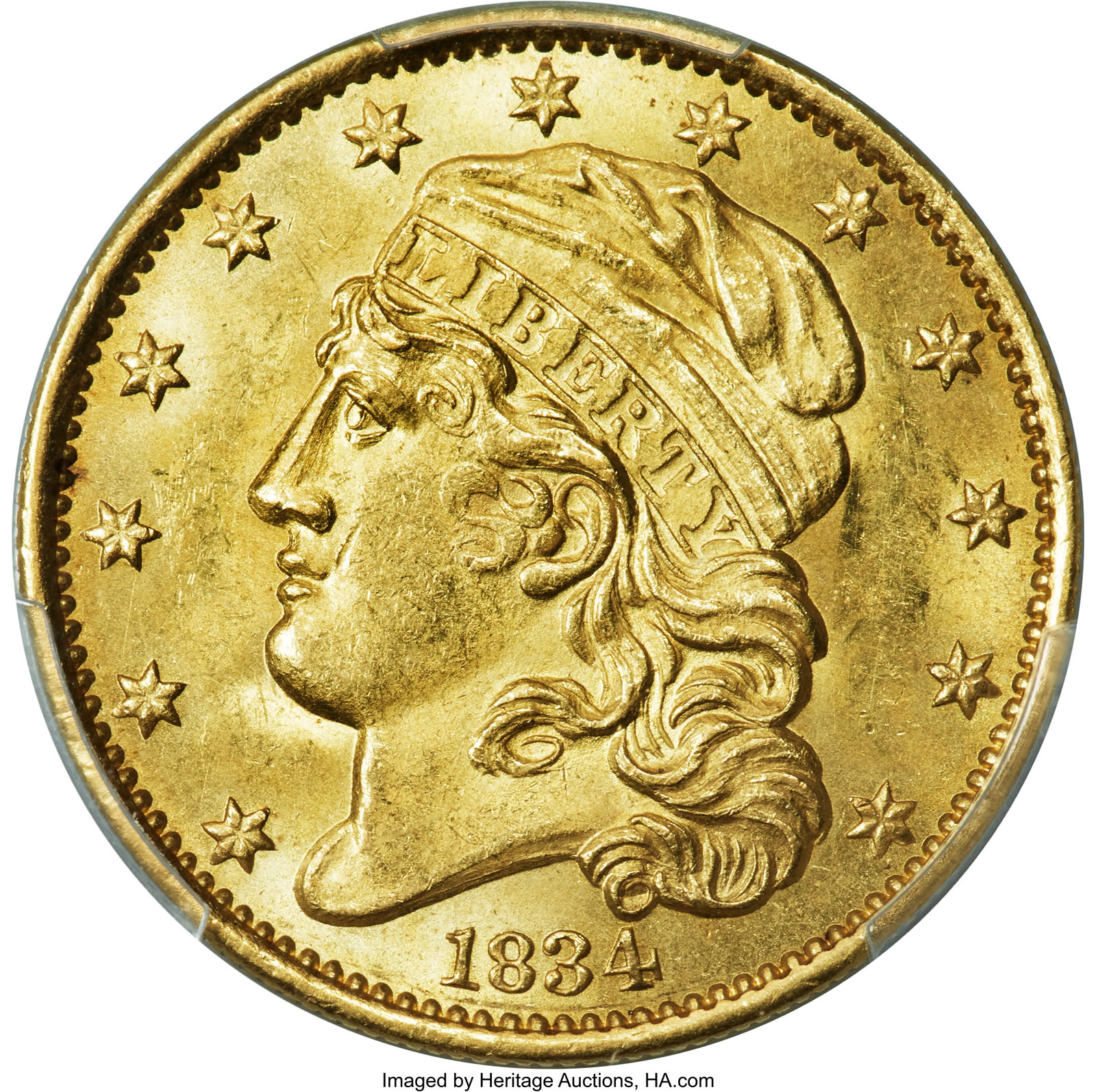
An 1834 BD-4 Half Eagle, MS64+ PCGS. CAC HBJ-268, dubbed the "King of Fat Head Fives," is a magnificent example and another unique variety in the Harvey B. Jacobson Jr. Collection. It also is tied with one other submission for the finest 1834 Capped Bust half eagle ever submitted to PCGS. Only six ever have been graded CAC; of those, two were MS63 coins and four were MS64. The coin offered in this auction is the only MS64+ example. Its provenance as the unique BD-4, which includes description and illustration in Rare Coin Review No. 30 as well as stints in the Irving and Joan Greenwald Collection and the Harry W. Bass, Jr. Collection, doubles as the condition census.
Images and information about all lots in the collection, and in the auction, can be found at HA.com/1389.
About Heritage Auctions
Heritage Auctions is the largest fine art and collectibles auction house founded in the United States, and the world’s largest collectibles auctioneer. Heritage maintains offices in New York, Dallas, Beverly Hills, Chicago, Palm Beach, London, Paris, Amsterdam, Brussels, Munich, Hong Kong and Tokyo.
Heritage also enjoys the highest Online traffic and dollar volume of any auction house on earth (source: SimilarWeb and Hiscox Report). The Internet’s most popular auction-house website, HA.com, has more than 2,000,000 registered bidder-members and searchable free archives of more than 7,000,000 past auction records with prices realized, descriptions and enlargeable photos. Reproduction rights routinely granted to media for photo credit.