 Sunken treasure and diplomatic back channel maneuvering are disparate topics one thinks of only in the fictional world of books or movies. However, those seemingly unrelated points have recently been focused on an American company that specializes in exploration and recovery of deep-ocean shipwrecks.
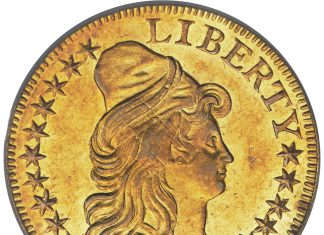
Odyssey Marine Exploration, based in Tampa, Florida, announced in May 2007 the discovery of the "Black Swan," a site located in the Atlantic Ocean which yielded over 500,000 colonial-era silver coins. Odyssey recovered the 17-ton treasure and imported it into the United States pursuant to U.S. law. However, the find resulted in contention between the company and several parties who felt that the treasure was rightly theirs.
Most notable among those seeking ownership of the massive find is the country of Spain which even seized two Odyssey vessels in the weeks following the Black Swan discovery announcement. Looking for a legal resolution, Spain filed suit in the United States claiming that the treasure was recovered from the Spanish ship known as the Nuestra Señora de las Mercedes, and therefore the property of the country. Odyssey obviously disputes that claim.
WikiLeaks Cables Suggest U.S. Offered to Help Spain Claim Black Swan Treasure
Queue the recent WikiLeaks releases for further Hollywood-esque material. Among the thousands of leaked U.S. diplomatic cables were several that indicated that a U.S. ambassador in Spain was willing to help the foreign country’s efforts against Odyssey.
The cables seem to indicate that the diplomat would share confidential customs reports prepared by Odyssey in exchange for the return of a rare painting to a couple in San Diego. The painting is currently on display in a Spanish museum but it has been suggested that it was originally stolen by the Nazis.
"To think that the United States would sacrifice Odyssey, a publicly traded American company with American tax payers, American shareholders for a painting is incongruous," stated Melinda MacConnel, Odyssey Marine Attorney, in an ABC Action News interview.
Even with the potential involvement of the United States government against Odyssey, the company still plans to pursue its position in the court system.
Odyssey indicates that it is unsure what ship the coin treasure originated from, labeling it only with the code-name of “Black Swan.” Further, the company argues that even if the recovered coin treasure was from the Mercedes, they do not belong to Spain because the ship was sailing for commercial purposes at the time of its sinking, thus voiding Spain’s claim. The matter has been slowly working its way up the United States court system, most recently in the United States Court of Appeals for the Eleventh Circuit who announced it would hear oral arguments in the matter in February of 2011.
Melinda MacConnel re-iterated the company’s position on the ownership of the treasure.
“The vast majority of the property that we recovered was private merchant property. (It) never belonged to Spain,” said MacConnel.
Several other individuals have also made claims on the treasure as descendants of those who booked cargo transport onboard the Mercedes. They, however, have acknowledged Odyssey’s right to a salvage award.
The Guardian newspaper of London first reported about the cables on December 8, 2010.